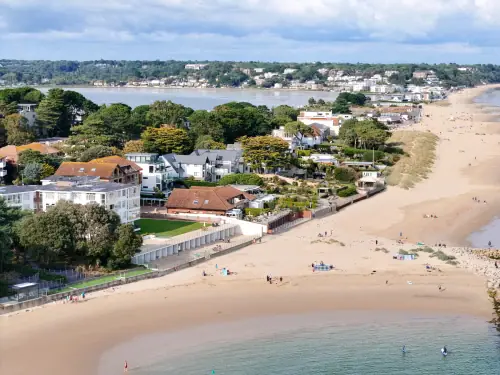

Rich in History: Discovering the Heritage of Poole & Broadstone

At Wilson Thomas, we appreciate that buying a home is often about becoming part of a place with its own distinctive story. Poole and Broadstone each have a fascinating heritage, shaped by maritime trade, railway expansion, historic architecture and notable local figures.

From the medieval streets and historic quayside of Poole to Broadstone’s Victorian growth and strong railway connections, here is our guide to some of the landmarks and local history that give these areas their unique character.
The Heritage of Poole: Maritime Trade, Smugglers & Islands

Poole boasts a rich maritime legacy stretching back centuries. Built around its natural harbour, the town developed as an important port, with trade, fishing and seafaring playing a major role in shaping the character of the area.

Historic Landmarks & Sites to Visit

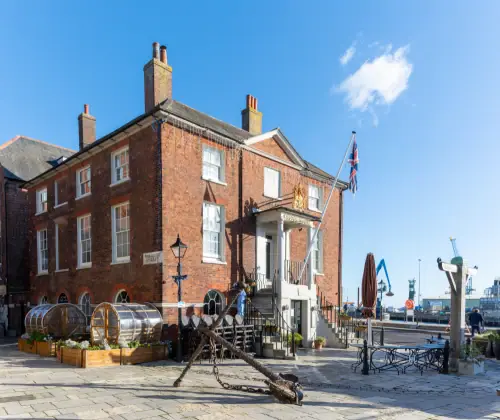
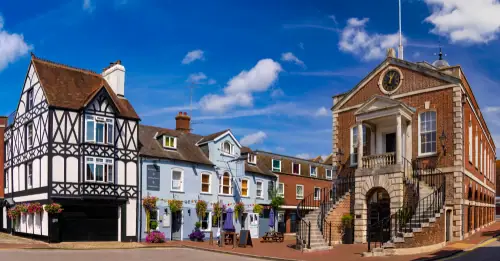
  • Poole Old Town & The Cockle Trail: Follow this self-guided walking route through the historic Old Town, where Georgian merchant houses, traditional inns and reminders of Poole’s long association with sailors, merchants and smugglers can still be found.
  • Scaplen’s Court & Poole Museum: Medieval Scaplen’s Court is one of the most characterful historic buildings in the Old Town and was once a merchant’s house. Nearby, the Poole Museum estate brings together centuries of local history through the medieval Town Cellars and Oakley’s Mill, a Victorian grain warehouse and flour mill.
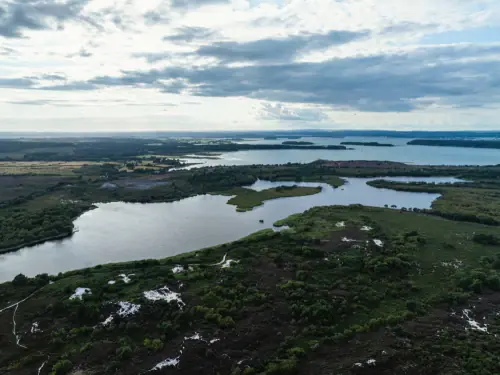
  • Brownsea Island & Castle: Sitting within Poole Harbour, Brownsea Island is known for its natural beauty, wildlife and remarkable history. In 1907, Robert Baden-Powell held his experimental Scout camp on the island, helping to lay the foundations for the worldwide Scouting movement. The historic core of Brownsea Castle also incorporates part of a defensive blockhouse built during the reign of Henry VIII to protect the entrance to Poole Harbour.
Historic Landmarks & Sites to Visit

Top Historical Things to Do in Poole

  1. Follow the Cockle Trail through Poole Old Town and discover stories of sailors, merchants, smugglers and the town’s development around its harbour.

  2. Take a boat trip through Poole Harbour and see Brownsea Island and its historic castle from the water.

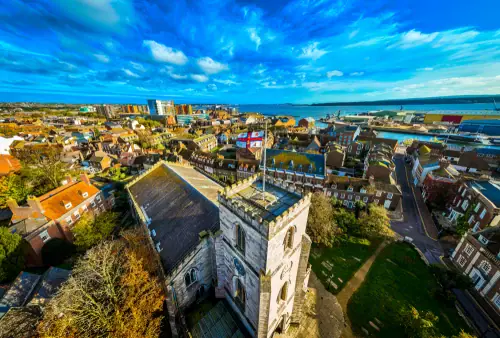
  3. Visit St James’ Church, the Grade II* listed parish church in the heart of Poole Old Town, rebuilt in the early 19th century.

Top Historical Things to Do in Poole

The Heritage of Broadstone: Railways, Victorian Growth & Natural History

Broadstone may have a very different history from neighbouring Poole, but its development is closely linked to one of the great changes of the Victorian era: the arrival and expansion of the railway.

Once a small rural settlement surrounded by heathland and farmland, Broadstone grew substantially during the second half of the 19th century. The railway helped transform it into an increasingly established residential community, and its Victorian and Edwardian development continues to influence the character of the area today.

The Heritage of Broadstone: Railways, Victorian Growth & Natural History

Historic Landmarks & Local Heritage

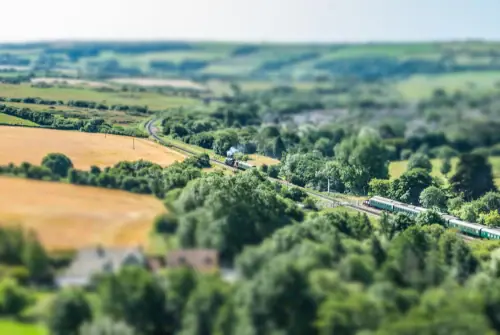
  • Broadstone’s Railway Heritage: Broadstone station opened in 1872 and was originally known as New Poole Junction before eventually taking the Broadstone name. The village developed around its important railway connections, including links with the Somerset and Dorset railway network. Although the station closed in 1966, the railway remains an important part of Broadstone’s identity.
  • St John the Baptist Church: Built in 1888, St John the Baptist Church is an important reminder of Broadstone’s rapid Victorian expansion. Broadstone later became a parish in its own right in 1906 as the local population continued to grow.
  • Alfred Russel Wallace: One of Broadstone’s most notable former residents was naturalist and explorer Alfred Russel Wallace, who independently developed the theory of evolution by natural selection alongside Charles Darwin. Wallace spent the final years of his life in Broadstone and is buried in Broadstone Cemetery.
  • The Castleman Trailway: Today, part of the area’s railway heritage can be explored on foot or by bicycle along the Castleman Trailway. The route follows sections of the former Southampton to Dorchester railway and provides a direct link between Broadstone’s transport history and the green landscape surrounding the area.
Historic Landmarks & Local Heritage

Top Historical Things to Do in Broadstone

  • Explore the Castleman Trailway and follow part of the route once used by the railway that helped shape Broadstone’s development.
  • Visit St John the Baptist Church and discover one of the village’s most recognisable links with its Victorian past.
  • Discover the story of Alfred Russel Wallace, one of the most influential naturalists of the 19th century, whose later life was closely connected with Broadstone.
Top Historical Things to Do in Broadstone

Living Amongst Heritage

Living in Poole or Broadstone offers the opportunity to enjoy two communities with distinct but closely connected histories. Poole’s centuries-old maritime character sits alongside Broadstone’s Victorian railway heritage, leafy surroundings and strong sense of community.

Whether you are looking for a period property full of character, a family home in an established neighbourhood or a modern property close to some of Dorset’s most historic and attractive locations, the heritage of Poole and Broadstone adds another dimension to living in this part of the county.

If you are looking for your next home in Poole or Broadstone, the team at Wilson Thomas is here to guide you every step of the way.

Living Amongst Heritage